Generation 1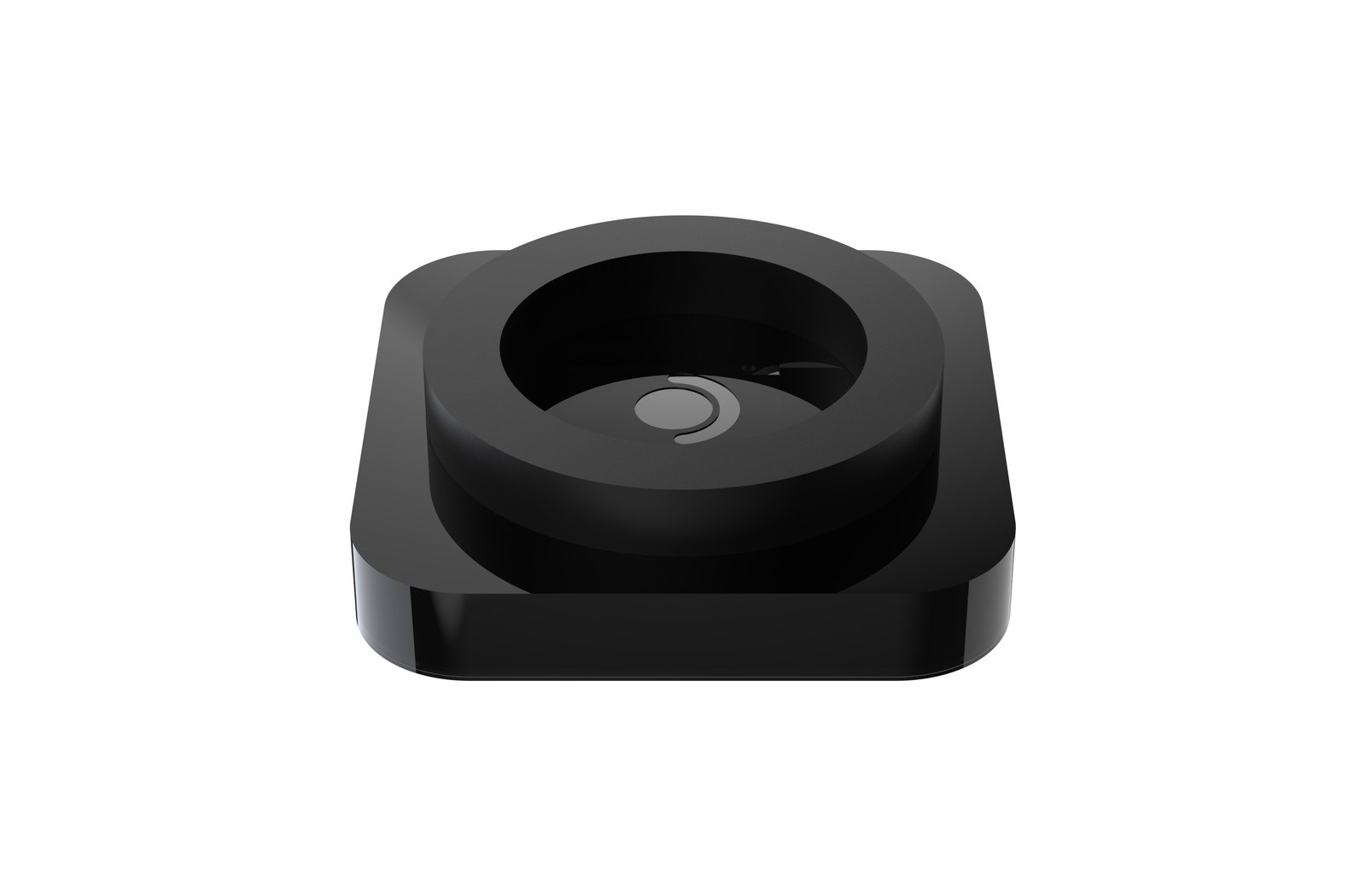
Onetap LabsPresence-verification hardware
Every door we build checks four signals: the card tap, the face at the reader, the body in the doorway and the tag inside the card. Only real presence gets counted.
You're in the building. Walk through a door.
ClickTap to skip
We design hardware systems for the physical world. Sensing, compute, firmware and infrastructure, engineered together as one machine.
One Sentinel X doorway
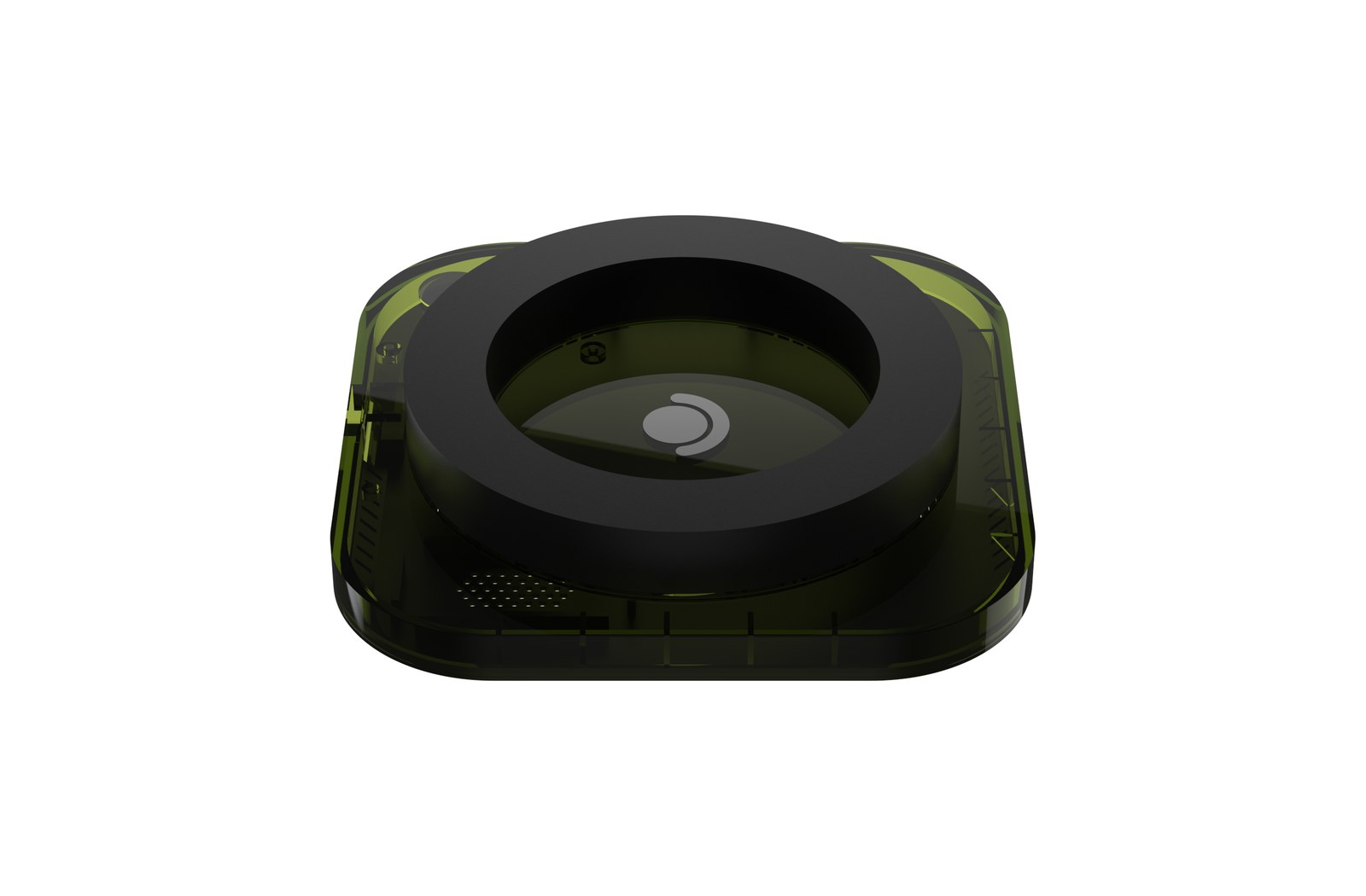
Four sensors at every door. Outside, the wall unit reads the card and checks the face. Above the door, the head-count camera counts every person who crosses, and BLE hears the tag in each ID card.NFCFace IDHead count · SFA 2.0BLE
The door unit does the thinking. Its board fuses all four signals on the spot, and the wall unit reports to it over a single USB-C cable.
Written in-house. It decides every tap: present, or flagged with a reason. Head counting runs on the chip.
Every door runs on one PoE cable back to a server room on your own campus. The face model runs there, and every record and image is stored there. Nothing leaves the building.
Designed together, so no layer has to guess what the others mean.
ClickTap to send someone through the door
Everything we build starts here.Charge, copper, silicon. We design from the material up, because that is where the hard problems are.
Then silicon.Our own boards today. Our own chips next.
Then the places people share.Classrooms, offices, campuses, streets. Hardware that understands a space, not just a screen.
Then everywhere.Built in Bengaluru, for every place people gather.
More ideas than we can build.A lab keeps a longer list than any roadmap. We keep every one of them.
And this is the beginning.Small team, long list, no ceiling. That is the point of a lab.
Project R Presence verification
Hardware and software for rooms where a card tap doesn't prove anyone showed up.
1,302
present today
23
flagged

Research Project R
How four independent signals produce attendance records that are more accurate and less invasive than a camera alone.
Read the paper
We're hiring researchers and engineers who would rather build the instrument than read about it.
Apply now